
The mighty Remondini
The history of the Remondini company began in 1657 in the heart of Bassano del Grappa when Giovanni Antonio Remondini, a native of Padua, purchased a house and opened a shop selling fabrics, wool, silks and iron tools. He later added to his stock printed leaflets and woodcuts of saints and other religious subjects intended for popular devotion, which, once folded, cut and sewn, could be bound into booklets known as ‘libri da risma’. The printed sheets were initially imported from Verona, Treviso and Padua, but Remondini soon broke away from his suppliers and set up his own printing press, purchasing an old printing press and thus establishing one of the most important printing works in the whole of modern Europe.
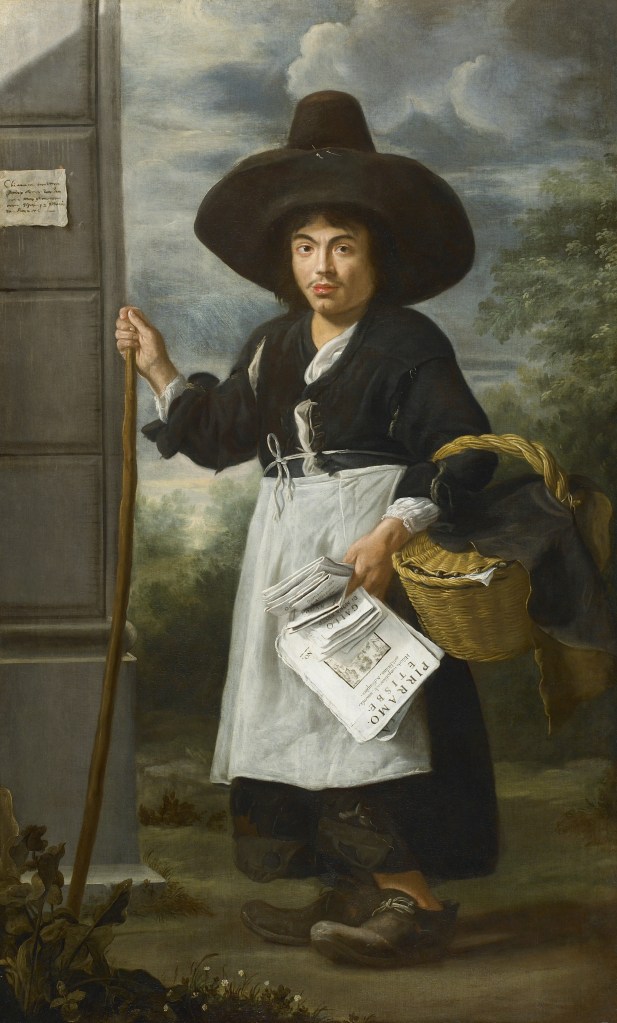
The extensive distribution network for the prints, organised into ‘companies’ led by a ‘company leader’, relied on men and boys of the Tesino Plateau, who were already involved in the seasonal trade in flints, as well as Slavic-speaking pedlars from the Natisone Valley (known as ‘Schiavoni’) in Friuli Venezia Giulia, also an integral part of the Habsburg Empire.
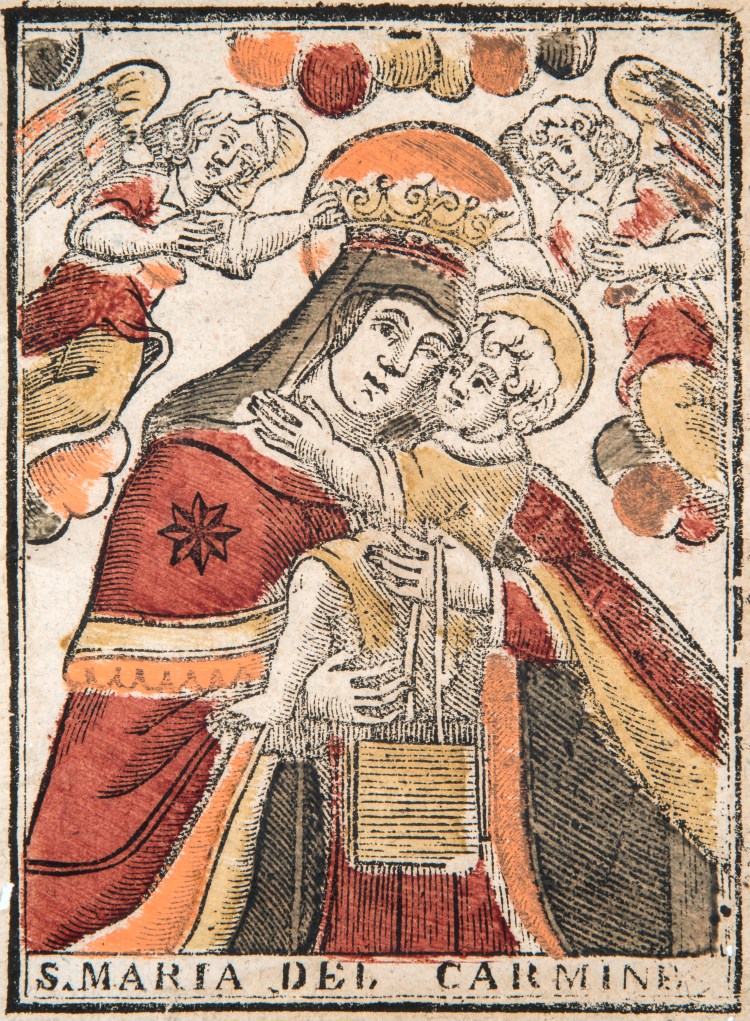
On the founder’s death in 1711, the printing house was inherited by his son Giuseppe, who acquired new paper mills to reduce production costs and expanded the catalogue of prints on sale. In 1738 he obtained from the magistracy of the Cinque Savi alla Mercanzia of the Venetian Republic the exclusive privilege, exempt from duties, of freely marketing his religious prints throughout the entire Venetian territory. In 1750, he finally opened his own bookshop in Venice, beginning to print high-quality books and geographical atlases, and commissioning the finest contemporary engravers to work on the illustrations. By the early 19th century, around a thousand workers were employed by the Remondini family in Bassano and the surrounding area. The people of Tesino, on the other hand, were among their main sales agents. They were able to stock up on prints before setting off abroad at a warehouse opened by the publishers themselves in Piazza Maggiore in Pieve Tesino, which operated between 1711 and 1816 (and was wound up in 1818).
In the first half of the nineteenth century, changing public tastes in printed images, technological advances and competition from French and German publishers and printers contributed to the company’s crisis, leading to its closure in 1861. Its distributors, including Tesini, had in many cases long since established themselves abroad, in Europe and beyond: many had themselves become publishers or sellers of new products linked to the world of imagery, such as spectacle lenses or photographs.
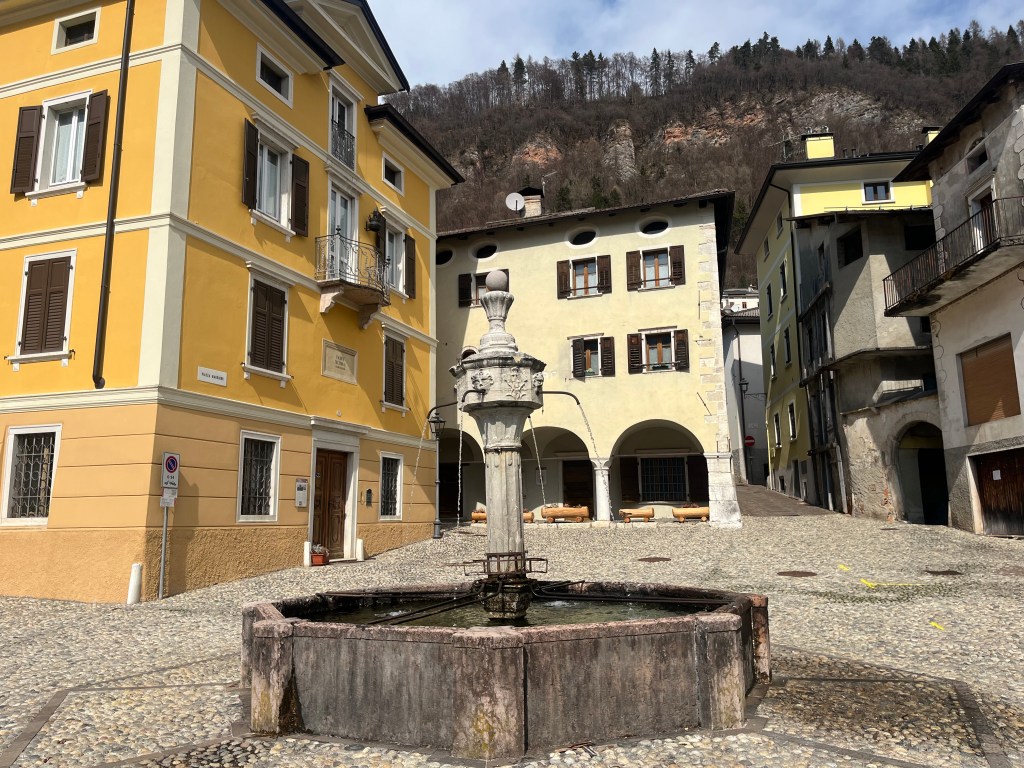
Initially, travelling vendors would purchase their prints by visiting the Remondini in Bassano del Grappa. From 1711 onwards, a warehouse was opened in Tesino itself, managed by five of their agents in Piazza Maggiore – in what is now the Casa Pelizzaro-Carestia – where the Tesino vendors would stock up before setting off on their journeys. It remained in operation until 1816 and closed by 1818, when many Tesino vendors began stocking up along the route or became producers of printed images themselves abroad. With the crisis and the closure of the Remondini company, many peddlers who had not made their fortune from the trade in images began to travel with modified carts designed to carry small and varied items, such as costume jewellery, haberdashery, matches and optical goods. The scope of their journeys, in these cases, gradually narrowed. By the time of the First World War, the trade in prints had rapidly disappeared.
Between the 1770s and the end of the 19th century, many Tesini began to open their own print-selling businesses in the towns they had frequented for generations, shifting their focus from fairs and markets to shops. Some became publishers themselves, and offered new products such as precision scientific instruments (such as barometers), optical accessories, luxury goods and antiques. The main publishing and trading firms from the Tesino region in the nineteenth century were in Bruges (Buffa, Gecele), Liège (Avanzo), Brussels (Avanzo, Fietta, Tessaro), Paris (Avanzo, Pasqualini), Antwerp (Tessaro, Granello), Ghent (Tessaro, Avanzo, Pellizzaro), Metz and Strasbourg (Fietta), Utrecht (Caramelle Tessaro), Amsterdam (Buffa), Augsburg (Tessari, Zanna), Vienna, Kriegshaber (Fietta, Avanzo, Buffa, Tessaro), Brno (Pasqualini), Warsaw (Pellizzaro), and Moscow and St Petersburg (Daziaro).
Drawing on their centuries-old experience in selling Remondini prints, the Tesini family were able to diversify their product range, attract new buyers from the international bourgeoisie, and capitalise on the technical changes taking place.
In the field of printing, with the introduction of lithography, they offered new subjects to a wider audience, catering to a market of travellers, antiquity enthusiasts, interior designers and decorators. Cityscapes and landscapes were all the rage in the nineteenth century, no longer tied to traditional optical views, but characterised by more realistic images of streets, buildings, gardens and city monuments. Portraits of monarchs were also very successful, as were those of prominent figures from political and military life, literature, science and the arts. Genre scenes, depicting moments and objects from daily and domestic life, were sold in large numbers to decorate the walls of drawing rooms, where series on local customs and military uniforms were also a must, satisfying an international clientele’s desire to learn about distant peoples and traditions. However, some publishers from the Tesino region continued to produce printed images for the working classes. This was the case with Giuseppe Pasqualini, who in the mid-19th century developed a machine for chromolithography, thanks to which he flooded the market primarily with devotional images for domestic use. In 1860, three hundred men and boys from Tesino were employed in distribution for his company in Brno, Moravia, a figure that had doubled by 1889. By the end of the nineteenth century, his successors had moved the chromolithography factory to Dresden, where it operated until 1945.
References:
Mario Infelise, I Remondini di Bassano. Stampa e industria nel Veneto del Settecento, Tassotti, Bassano del Grappa (VI), 1980
Mario Infelise, Paola Marini (edd.), Remondini. Un editore del Settecento, Electa, Milano 1990
Niccolò Caramel, “I Santi dei Remondini ga magnà i campi dei Tesini”. Le conseguenze dei rapporti commerciali tra i venditori ambulanti Tesini e gli stampatori Remondini di Bassano nel tessuto socioeconomico della Valle di Tesino (1685-1797), in Viviana Ferrario, Mauro Marzo (edd.), La montagna che produce / Productive mountains, Mimesis Edizioni, Sesto San Giovanni (MI), 2020, pp. 105-118
Elda Fietta, Mercanti di luce. Ottici e fotografi tesini tra Ottocento e Novecento, con un saggio di Marie-Christine Claes, Museo Per Via, Pergine Valsugana (Tn), Publistampa edizioni 2023

