
What is HistoryCity?
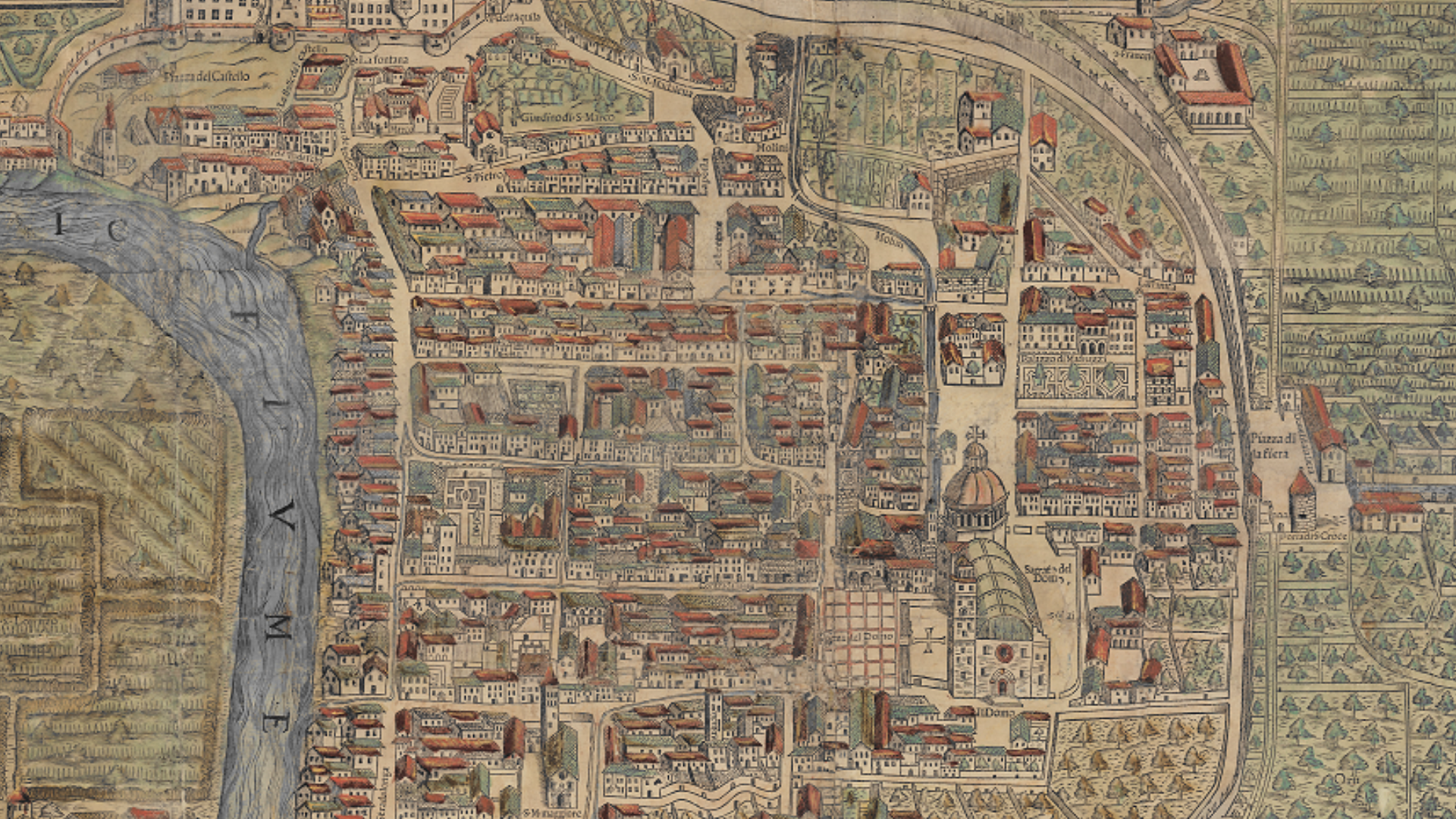
Unlike conventional city guides, HistoryCity’s free apps turns public history and heritage into an adventure. With our ‘time travel’ trails, plotted on GPS-triggered historic maps, figures from the past bring the streets to life with stories of their own lives and times.
These critically constructed ‘guides’, voiced by actors, stitch narrative to place, taking you to major landmarks and sites off the beaten track and offering their perspectives on both everyday life and extraordinary events. They immerse you in the city in a new way; their journeys become yours.
At each trail site there is also expert commentary and images, which virtually relocate museum artefacts to the places they were associated with and the past worlds that gave them meaning. In this way, the platform is able to extend the museum into the city. Users can dive deeper by linking out at each site to a brief web article (Stories). This 1 min reel sets out the basic features:
Every trail is a co-creation by our history team at the University of Exeter and project partners: museums and archives, university research groups, heritage and civic organisations. Whatever the story, we strive to turn material, social and cultural history into compelling situated experiences that expand our sense of tangible and intangible heritage. Click these links for details on collaboration and to find out about the education version of the platform.
HistoryCity currently offers 25 trails in 11 cities and towns: Venice, Copenhagen, Exeter, Florence, Valencia, Hamburg, Trento, Deventer, Landshut, Tours, and Pieve Tesino. We also produce the HistoryScapes app in partnership with the National Trust (UK), bringing landscape heritage to life at, to date, 4 locations around England. Our apps are powered by industry leader Calvium in Bristol.
In 2026, HistoryCity was selected as a Best in Heritage project after winning the Heritage in Motion international prize for virtual and augmented reality in 2025. Hidden Florence, our first app, won the App Award at the Conference on Cultural Heritage and New Technologies, Vienna (2019). Hidden Florence 3D was winner of UK App of the Year AR/3D for innovative use of 3D/AR in 2020 and was shortlisted for the same category in the SPARKies 2020.
Meet the Team

Fabrizio Nevola
HistoryCity director
I am a Professor and Chair of Art History and Visual Culture at the University of Exeter, where I’m also Director of the Centre for Early Modern Studies. I specialise in the urban and architectural history of early modern Italy, and my most recent research looks at the street as a social space, the urban iconography that often binds main streets into a coherent whole and the relations between public and private self-representation.
In 2022 I published Street Life in Renaissance Italy (Yale University Press) and I am the author of Siena: Constructing the Renaissance City (Yale University Press). I co-edited the open-access Hidden Cities: Urban Space, Geolocated apps, and Public History (Routledge, 2022). I have published numerous articles and other collections, and co-authored the exhibition catalogue for Renaissance Siena: Art for a City at the National Gallery in London.
*New* F. Nevola and D. Rosenthal, ‘Mobile media and urban memory: the HistoryCity project’. In M. Ioannides, et al, eds., Digital Heritage and Cultural Tourism Research: Memory Twins as Tools for Sustainable Engagement (Springer, 2026). https://link.springer.com/book/9783032229731

David Rosenthal
HistoryCity co-director
I specialise in the social history of early modern Italy and public history with mobile media. In collaboration with our partners, I shape and curate HistoryCity’s trails. See my interview about HistoryCity: The future of place-based digital storytelling.
My research has focused on public space, urban ritual and social change between 1500 and 1700, themes that underpinned my work on Florence’s carnival brigades, published as Kings of the Street: Power, Community and Ritual in Renaissance Florence (Brepols, 2015). I co-edited the open-access Hidden Cities: Urban Space, Geolocated Apps, and Public History (Routledge, 2022) and Disaster in the Early Modern World: Examinations, Representations, Interventions (Routledge, 2023).

Feeling inspired?
Get in touch to transform your research or heritage
story into an immersive mobile experience

