
Il palco veneziano
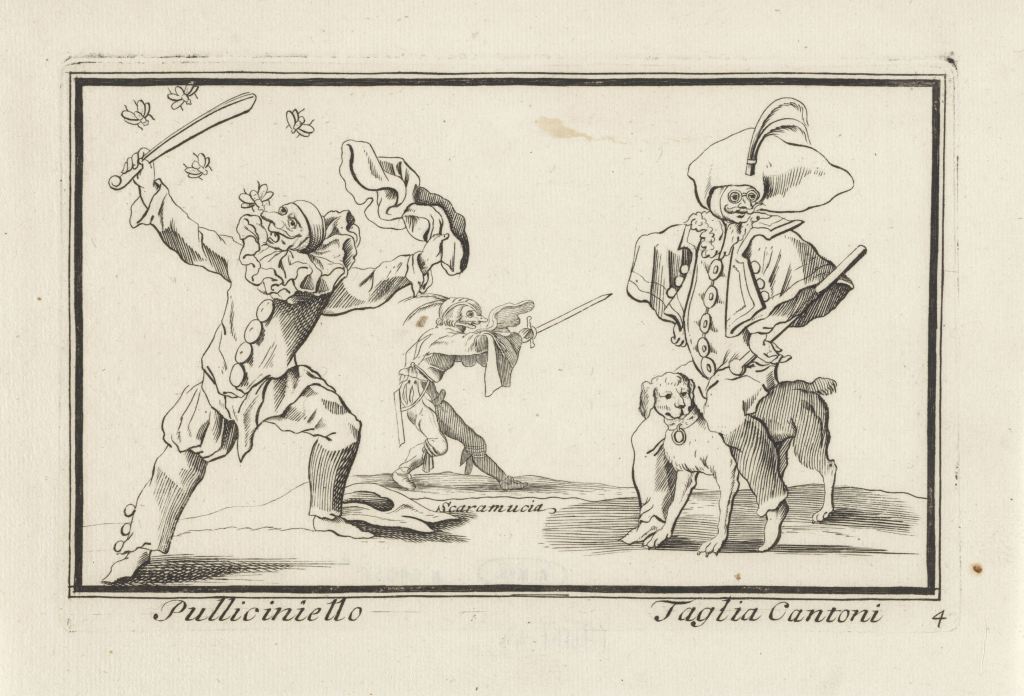
Venezia aveva una fiorente scena teatrale pubblica già nel Cinquecento. Nei primi teatri gli spettacoli erano commedie, nello stile della commedia dell’arte. Si trattava di sketch comici improvvisati con personaggi di repertorio. I costumi abbastanza standardizzati (e le maschere utilizzate per la maggior parte dei personaggi) li rendevano riconoscibili al pubblico. C’erano quattro diversi tipi di personaggi (ognuno con una serie di personalità individuali). C’erano gli zanni (clown), che interpretavano i servi; tra questi, i famosi personaggi di Arlecchino e Pulcinella. C’erano i vecchi, o uomini anziani; questi erano ricchi e spesso comicamente noiosi, come il personaggio del medico spaccone conosciuto semplicemente come il Dottore. C’erano anche i capitani, autorevoli ma spesso anche spacconi o donne anziane e imperiose. Infine, c’erano gli innamorati, che erano giovani belli di buona famiglia e che erano gli unici personaggi a non indossare mai la maschera. Questa forma di teatro poteva essere rappresentata per strada o all’interno di edifici teatrali pubblici, e gli spettacoli erano tipicamente eseguiti da gruppi teatrali itineranti. Ovviamente gli spettacoli di strada erano i più accessibili, ma i teatri erano aperti a tutti i clienti paganti ed erano disponibili posti a buon mercato in balconata. I gondolieri entravano gratis!
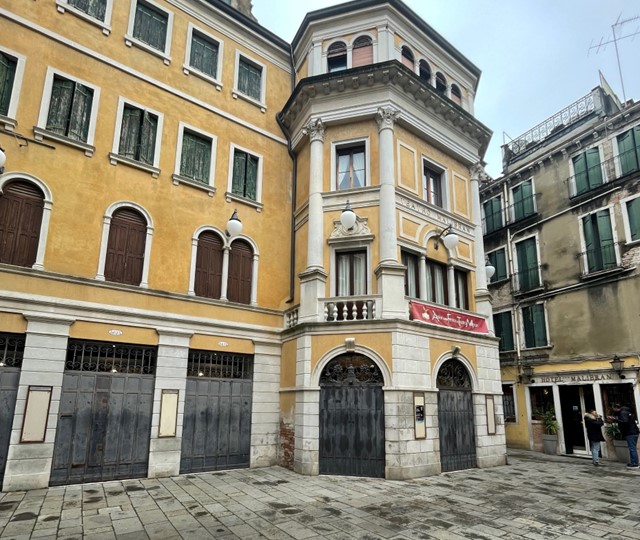
Around 1600, the art form of opera began in Florence, but there (and elsewhere) it was performed for small audiences at court, not for the public. The first public opera was performed in Venice in 1637 in the Teatro San Cassiano, also known as the Teatro Tron (in reference to the noble family who owned it). It proved to be a great success, and opera took off in Venice. By 1650, only 13 years later, nearly 50 different operas had been performed in Venice. The theatre at this site (pictured) is Teatro Malibran, built in 1678 and known then as the Teatro San Giovanni Grisostomo and owned by the Grimani family. Many of the theatres were named after the closest parish church. The Teatro San Giovanni Grisostomo was the most luxurious theatre of its day, and premiered many operas in the eighteenth century, including Handel’s Agrippina in 1709.
Although other cities also began to offer public opera, Venice remained the prime destination for the opera fan, and attending the opera was a key part of any Grand Tour stop in Venice. As opera grew in popularity and more theatres began offering performances, it also became more affordable; whereas the first performances were largely limited to elite audiences, by mid-century there were sufficient performances to make the cheap seats up high affordable, just as they were in comedy performances.
By the late seventeenth century, there were ten theatres in operation in Venice, offering both Venetians and foreign visitors a range of options, including opera seria (serious opera), opera buffa (comedic opera), and commedia dell’arte. In the eighteenth century, there were increasingly other comedy plays on offer as well, most famously those written by Carlo Goldoni (1707-1793), a much beloved playwright whose witty plays offer insight into eighteenth-century Venetian culture. All of the different types of theatre were attended by a wide range of Venetians as well as foreign visitors. In addition to entertainment, theatres were valued as a place to see and be seen in society.
Celeste McNamara
Bibliografia:
Barricelli, Franca R. “‘Making a People What It Once Was’: Regenerating Civic Identity in the Revolutionary Theatre of Venice.” Eighteenth-Century Life 23, no. 3 (1999): 38–57.
Glixon, Jonathan, and Beth Glixon. Inventing the Business of Opera: The Impresario and His World in Seventeenth-Century Venice. Oxford: Oxford University Press, 2006.
Rosand, Ellen. Opera in Seventeenth-Century Venice: The Creation of a Genre. University of California Press, 2007.
 HistoryCity Apps