
Women and work
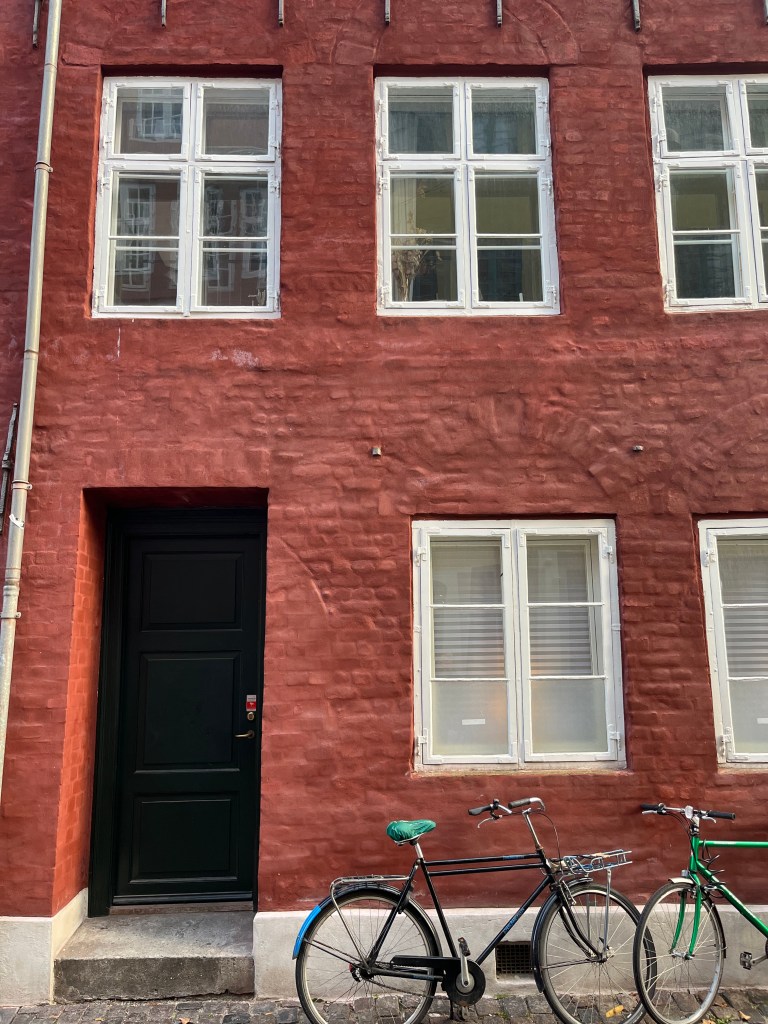
We do not know if Fru Anna, featured in the ‘Anatomy of a City’ trail sold goods from her private home at 19 Magstræde, but it is highly plausible. Everyone – men, women and children – worked. It was a necessity for survival. But there were differences. The social structure was strictly patriarchal. Men had privileges in everything: power, rights, economy, education, and work. As a woman, there was less leeway. But men were largely dependent on women. A master craftsman depended on being well married, for his wife was the second in command of the household and the cook for the journeymen and apprentices.
Although the labor market was male-dominated, women played an indispensable role in making ends meet. They took on what was then called women’s work, i.e., cooking, cleaning, sewing, spinning, and childcare, but they could also contribute to the family finances as street vendors, schoolteachers, or employees in the family business. Women were generally denied access to large parts of the business world, yet a number operated as self-employed entrepreneurs on a larger or smaller scale. They could be widows who continued their husband’s craft or others who ran their own school, food stall, or tavern.
Many women made a living as servants. Servants belonged neither to the top nor to the bottom of society. For most, life as a servant belonged to youth. They served to earn money, improve their skills or reach the age when they were ready for something bigger – to get married and start a family. The household, with husband, wife, children, and possibly servants, was one of the cornerstones of society. Some servants, however, never married and served their whole lives. But when age, strength, and work capacity failed, they were often left without a social safety net, and many lived out their old age in abject poverty.
Some of the town’s servants were to be found in the town’s numerous taverns. The tavern culture was male-dominated but young waitresses often served guests. In some places, the women supplemented their wages with prostitution, and some taverns were, in fact, brothels. Here prostitution took place under reasonably orderly conditions, and payment was made accordingly. But prostitution was also associated with shame, social exclusion, and the risk of dangerous sexually transmitted diseases such as the dreaded syphilis. Much prostitution therefore happened in secret. When a woman became publicly known as a prostitute, she was stigmatized. It was also why the streetwalker was considered the lowest in the hierarchy of sex workers. So called soldier’s whores were named after their poor clients, who could only afford quick, cheap sex in a gatehouse or a smelly backyard.
Peter Wessel Hansen
Further reading
Carol Gold: Women in Business in Early Modern Copenhagen, 2018.
Peter Henningsen og Ulrik Langen: Hundemordet i Vimmelskaftet – og andre fortællinger fra 1700-tallets København, 2010.
 HistoryCity Apps