
‘Venice Unmasked’
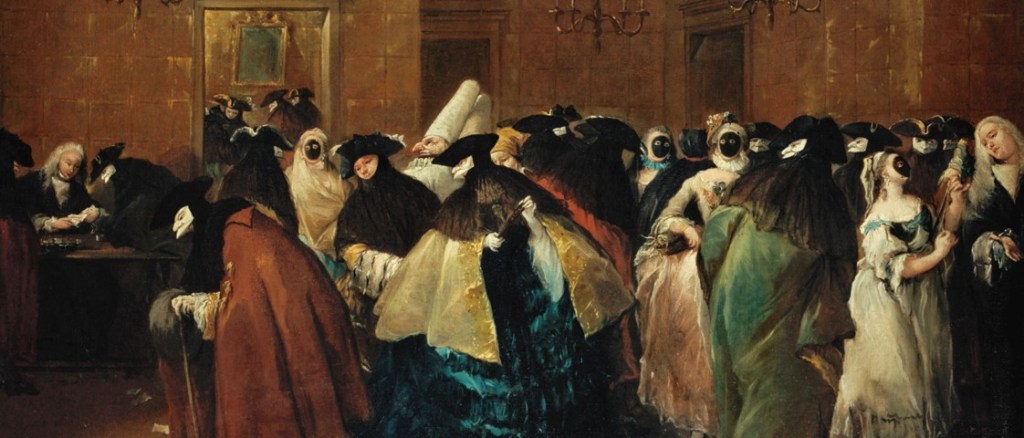
Venice, 1730. A city of contradictions. The Catholic Church and the Venetian government struggle to enforce a strict code of moral behaviour in the face of a strident libertine culture. La Serenissima has become famous for gambling, sex and Carnival excess, a magnet for rich young men from across Europe on their Grand Tour.
‘Venice Unmasked’ on the Hidden Venice app is a true crime trail. The case, lifted from fresh research in the archives, is about the hunt for a man who had been sexually harassing elite young women in churches across the city – violating sacred spaces that were meant to be safe, where honour was meant to be protected. The government office trying to identify and catch this predatory ‘libertine’ was the Executors against Blasphemy. Despite the name, the Executors did not just deal with Blasphemy. They tried cases of illegal gambling, seduction, adultery, prostitution, clerical delinquency and interfaith relationships. Their officials – effectively the ‘vice squad’ of its day – were led in 1730 by Capitano Zuanne Biancafior.
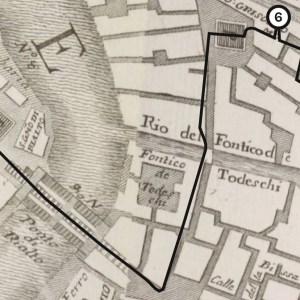
In the trail, you accompany Capitano Biancafior as he investigates the case, following clues from the church of the Carmelites to the Do Spade tavern near the Rialto, and onwards to Caffè Florian in Piazza San Marco and the prison next to the Doge’s palace.
In the brief articles in these pages you can dive into the historical context at each of the eight sites on the ‘Venice Unmasked’ trail. Here you will get a fuller picture of the complex and contradictory world of the Venetian Republic in the 18th century.
Celeste McNamara
 HistoryCity Apps