
‘Anatomy of a City’
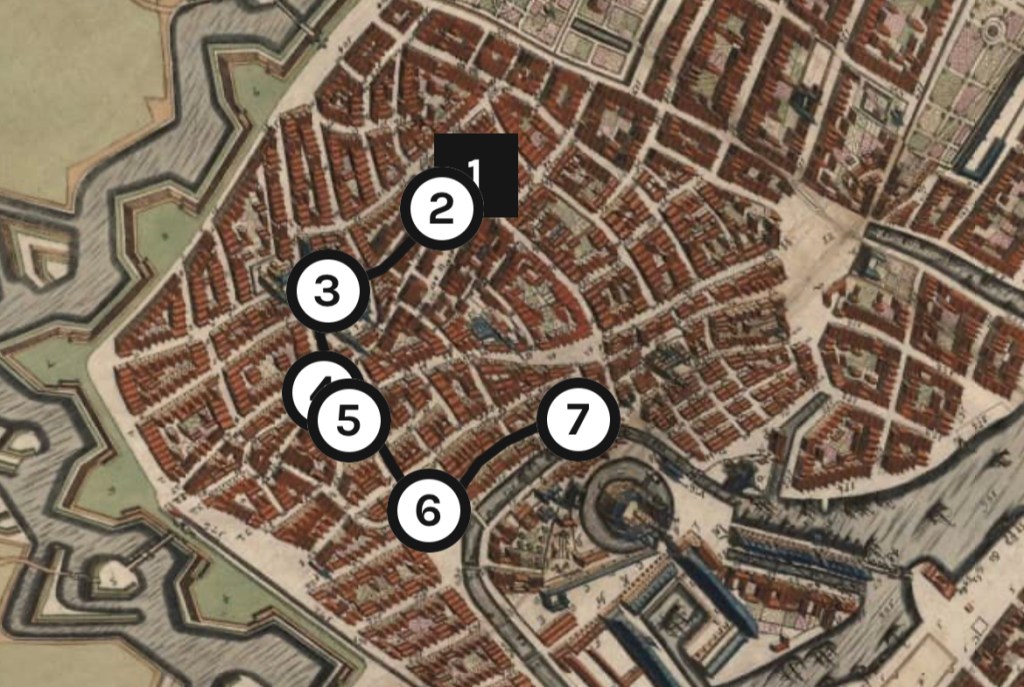
February, 1673. Nils, a medical student, has just witnessed the public dissection of a human corpse by the celebrated Danish anatomist Nicolaus Steno. As he makes his way to a tavern by the harbour, a story unfolds about a young woman executed for infanticide, and how her body ended up as the object of an anatomy lesson.
The Hidden Copenhagen app trail ‘Anatomy of a City’ tells this true tale of infanticide, execution and public dissection in seventeenth-century Denmark. It is a window into a world that turned women like Gertrud Nielsdatter into social outcasts for having a child out of wedlock, driving some to give birth in secret and kill their newborns. Justice for these women was harsh under the absolutist monarchy of King Christian V. Those who got caught were beheaded.
At the same time this is a story of how early modern physicians relied on the corpses of the condemned to uncover the secrets of the body. Nicholaus Steno, the royal anatomist, famous across Europe, dissected Gertrud’s body for ten days, a public demonstration of the new knowledge anatomical science could produce. With every discovery, Steno and many like him believed that anatomy came closer to revealing God’s design in nature.
With Nils, a fictionalised voice, the Copenhagen of 1673 comes to life. As he heads towards the tavern to return lecture notes he’s borrowed, you will visit sites that are famous, hidden or lost. Along the way, Nils shares his excitement about Steno’s anatomy lesson. He also shares his belief that women convicted of infanticide fully merited the justice meted out to them. Yet while Nils’ point of view was common enough, you will discover that not everyone was so unsympathetic to the fate of women like Gertrud Nielsdatter.
Further reading
Peter Wessel Hansen, Jesper Jakobsen, Ulrik Langen and Rikke Simonsen: From flesh to paper: bodily and material transformation in 17th century Copenhagen – a case study. Urban History, Special issue: Public Renaissance: The material culture of public space in Early Modern Europe (forthcoming)
 HistoryCity Apps