
On the road: fortune and failure
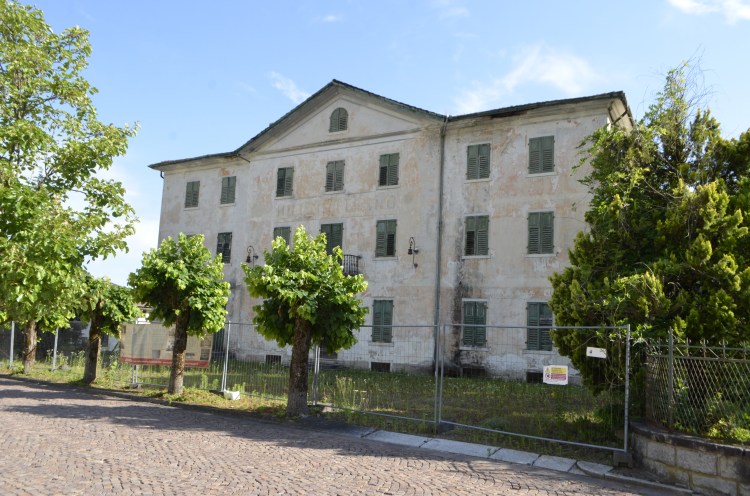
The history of Tesino’s street vendors is marked by family stories of success and emancipation – to start with the in the heart of Europe (France, Belgium, Germany) – but also by tragic and unfortunate events: men and women who failed on the roads of the world, who suffered and lost everything, sometimes their lives.
First, they had to face and overcome the fatigue of travel, largely accomplished on foot before the advent of the railways in the 19th century. Crossing Europe on foot was complex and tiring due to the condition of the roads, the bad weather, and the accidents that could occur along the way. In 1774, Mattia Muraro wrote to his family from Krakow that he was having difficulty returning home due to a leg wound that had tormented him for seven years. Many did not make it back, dying along the way.
However, failure to return to the valley could also be due to professional disaster or the result of a personal turning point, with some enlisting as soldiers rather than continuing to work as street vendors. In the second half of the eighteenth century, Giovanni Murari became a rifleman in Germany; Antonio and Giovanni Granello enlisted in, respectively, the Spanish and Prussian armies; and Mathio Buffa sailed to Chile to defend the Spanish crown.
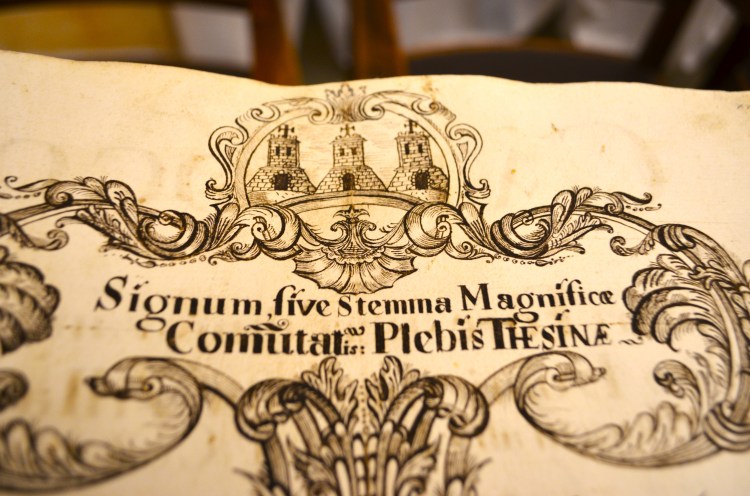
During their journeys, itinerant vendors from Tesino could also lose their cargo of prints in shipwrecks and storms, or have them stolen. Sometimes they commited crimes, evaded duties, or failed to present the necessary documents, particularly those certifying “honest conduct”.
On occasion, they were called to give evidence in court cases brought by publishers in Paris or Augsburg – competitors of the Remondini family – as in 1766, when they strenuously defended the legality of their products and the legitimacy of their sales channels. In 1772, however, a number of Tesino street vendors were imprisoned in connection with the so-called ‘Spanish Case’, a legal proceeding brought against the publisher Remondini, who was accused of having printed a satirical image of Charles III of Spain. Even without such incidents, travelling vendors did not enjoy a good reputation amongst European governments and institutions and were in many cases regarded as little better than beggars and scoundrels. Events such as imprisonment – even if only occasional, as in this case – served to undermine their credibility in the eyes of foreign authorities and their trading partners.
References:
Elda Fietta, Marie-Christine Claes (edd.), Imprenditori dell’immagine. Le vicende dei tesini in Belgio, Pergine Valsugana (TN), Publistampa, 2016
Niccolò Caramel, La Controepopea. Disgrazie e fallimenti nel commercio di stampe degli ambulanti tesini (XVII-XIX secolo), Viella, 2026

